The Benefits of Coloring for Stress Relief
In an increasingly fast-paced world, finding effective methods for stress relief has never been more crucial. Among various activities that promote relaxation, coloring has emerged as a favorite among adults seeking a creative outlet. This simple, yet engaging activity allows individuals to escape their daily stressors and immerse themselves in a world of colors and shapes. Not only does coloring help in reducing anxiety, but it also fosters mindfulness and self-expression. As more people turn to creative avenues for stress relief, Coloring for stress relief has gained popularity for its accessibility and therapeutic benefits.
How Coloring Reduces Anxiety and Promotes Calm
Coloring provides a unique way to express creativity, which is often stifled in adult life. When we engage in coloring, we tap into our creative instincts, which can act as a distraction from negative thoughts and worries. The repetitive motion of coloring can serve as a form of meditation, allowing our minds to quiet and focus solely on the task at hand. This process naturally reduces anxiety levels and promotes a sense of calm, akin to the effects of mindfulness and meditation.
Moreover, the act of choosing colors and deciding how to fill in patterns offers a sense of control that can be empowering. This autonomy is especially beneficial during times of uncertainty or stress, as it allows individuals to create something uniquely theirs, fostering a sense of accomplishment and satisfaction.
Scientific Evidence Supporting Coloring as a Therapeutic Tool
A growing body of research supports the assertion that coloring can serve as an effective therapeutic tool. Studies have shown that engaging in creative activities such as coloring can reduce stress levels, lower anxiety, and improve overall mood. A notable study published in the journal *Art Therapy* demonstrated that participants who engaged in coloring mandalas experienced reduced anxiety and enhanced emotional well-being.
Furthermore, coloring activates various regions of the brain, stimulating both the right hemisphere, responsible for creativity and imagination, and the left hemisphere, which governs logic and reasoning. This dual activation helps to balance emotional responses, making coloring a holistic method for stress relief.
Comparison with Other Stress Relief Activities
While there are various stress-relief activities available—such as yoga, meditation, and exercise—coloring offers unique advantages. Unlike yoga, which requires physical ability and often a class setting, coloring can be done at one's convenience, anywhere and at any time. Moreover, while meditation may be challenging for those new to mindfulness, coloring naturally encourages a meditative state without the pressure of achieving stillness in the mind.
Additionally, coloring does not require specific skills or training, unlike many artistic endeavors. It is accessible to all ages and can be as simple or complex as one desires, making it an inviting option for anyone seeking relief from daily stress.
Getting Started with Coloring for Stress Relief
Getting started with coloring as a form of stress relief can be incredibly simple. However, having the right tools and environment enhances the experience, making it more enjoyable and effective. Here’s how to embark on this colorful journey.
Essential Tools for a Relaxing Coloring Experience
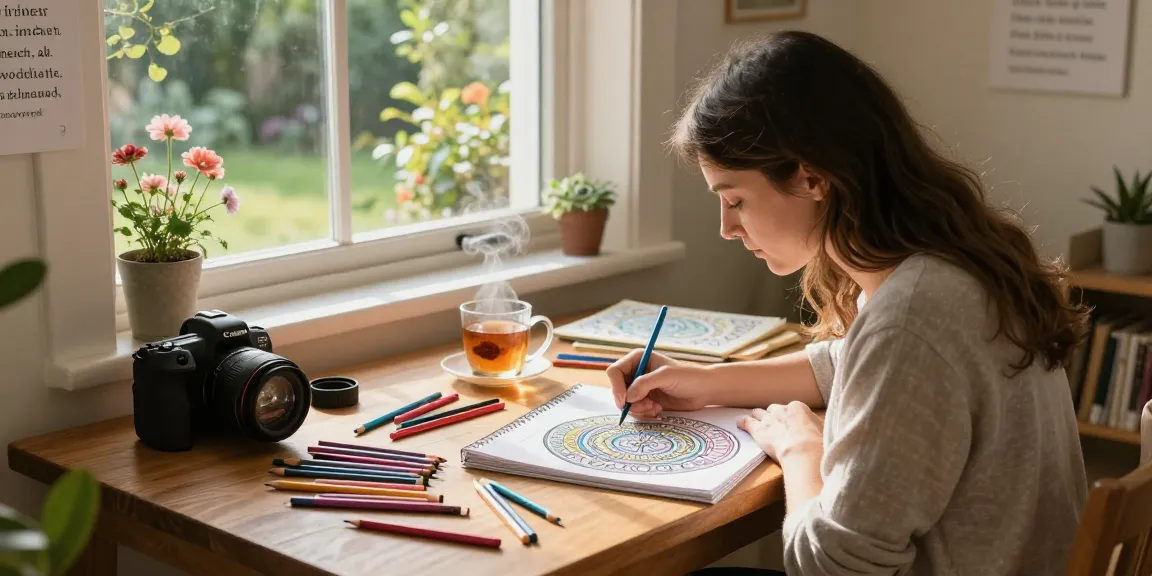
To enjoy coloring for stress relief, you'll need to gather supplies that resonate with you. Here are some essentials:
- Coloring Books: Select books that feature patterns or illustrations that interest you, be it nature, abstract designs, or mandalas.
- Coloring Tools: Invest in a variety of coloring tools such as colored pencils, markers, or gel pens. Each medium offers a different coloring experience, so feel free to experiment.
- Comfortable Surface: Ensure you have a comfortable place to work, whether it’s a desk or a cozy corner on the sofa. Good lighting is also crucial to avoid strain on your eyes.
Choosing the Right Coloring Books for Adults
When selecting coloring books, it’s essential to consider your interests and preferences. Look for books that cater to adults with intricate designs that can captivate your attention. Some popular themes include:
- Mandalas
- Nature scenes
- Fantasy illustrations
- Abstract patterns
Additionally, many publishers now offer books designed specifically for therapeutic benefits, aimed at promoting relaxation and mindfulness.
Creating a Comfortable Coloring Space at Home
Your coloring environment can significantly impact your experience. Here are tips for creating a conducive atmosphere:
- Quiet Space: Find a quiet area where interruptions are minimal. This tranquil setting allows you to focus solely on your coloring.
- Comfortable Seating: Use comfortable chairs or cushions to help you relax as you color.
- Soothing Ambiance: Incorporate calming music or nature sounds to enhance the atmosphere. Consider adding plants or soft lighting for a soothing effect.
Techniques to Enhance Your Coloring Experience
To make the most of your coloring sessions, several techniques can enhance your experience, allowing for deeper relaxation and enjoyment.
Color Theory Basics and How to Use It Effectively
Understanding basic color theory can elevate your coloring experience. Color theory involves the relationships between colors and how they can provoke emotional responses. For instance, warm colors like red and orange evoke feelings of energy, while cool colors like blue and green provide a calming effect.
Experimenting with complementary colors can make your creations pop, while analogous colors can create a soothing harmony. Allow yourself to play with color combinations and see how they affect your mood!
Experimenting with Different Mediums: Pens, Pencils, and Markers
The choice of medium can transform how you engage with your coloring. Colored pencils offer precision and control, while markers provide bold and vivid colors. Gel pens can add unique textures and finishes. Don't hesitate to mix mediums in a single piece for an eclectic artistic approach!
Incorporating Mindfulness Practices into Your Coloring Routine
To further enhance the stress-relieving benefits of coloring, consider integrating mindfulness practices into your routine. Start your session with deep breathing exercises to center yourself. Focus on the sensation of each stroke of color against the paper and the colors blending together. Allow your thoughts to drift away, and let yourself be fully present in the moment.
Real-Life Success Stories: Transforming Stress through Coloring
Diving into personal experiences can provide insight into how effective coloring can be for stress relief. Here are several case studies and perspectives that showcase its impact.
Case Studies of Individuals Who Benefited from Adult Coloring
Numerous individuals have reported significant improvements in their mental well-being through adult coloring. For example, a business executive experiencing burnout found that dedicating just 30 minutes a day to coloring has helped her disconnect from work stress, providing a refreshing mental reset.
Similarly, a retiree who faced loneliness started attending a local coloring group. This not only helped him rediscover his passion for art but also fostered social connections, enhancing his emotional health.
Art Therapy Perspectives: Insights from Professionals
Art therapists often incorporate coloring into their practice as a form of expressive therapy. They report that coloring exercises allow clients to explore their emotions more freely. According to an art therapist, “The simplicity of coloring can help individuals express feelings they may find difficult to articulate verbally.” This highlights how coloring transcends mere recreation to serve as a vital therapeutic tool.
Community Initiatives Promoting Coloring for Stress Relief
Various community initiatives have sprung up, emphasizing the benefits of coloring for stress relief. Community centers often host coloring workshops where participants can come together, share art supplies, and enjoy the therapeutic effects of coloring in a supportive environment. These initiatives not only promote mental well-being but also foster a sense of community.
Future Trends in Coloring for Stress Relief
As we move further into 2026, the world of coloring for stress relief continues to evolve, reflecting technological advancements and cultural shifts.
The Rise of Digital Coloring Apps and Their Benefits
In recent years, digital coloring apps have surged in popularity, offering convenience and novel features. With interactive elements and the option to use various digital brushes and textures, these apps provide a unique avenue for creativity. They allow individuals to color anywhere, anytime, on their smartphones or tablets, opening new possibilities for stress relief.
Integrating Coloring into Holistic Wellness Practices
As holistic wellness becomes more mainstream, coloring is being integrated into broader wellness practices. This includes combining coloring with yoga or meditation sessions, creating a unique blend of physical and mental relaxation.
What 2026 Holds for the Adult Coloring Movement
The adult coloring movement is expected to thrive in the coming years, with more emphasis on personalized coloring experiences. The inclusion of augmented reality (AR) features can transform traditional coloring books into dynamic experiences. Moreover, as mental health awareness continues to grow, more individuals will likely recognize coloring as a legitimate practice for managing stress.
What are the potential therapeutic benefits of coloring for adults?
The potential therapeutic benefits of coloring for adults extend beyond mere enjoyment. Research suggests it can help reduce anxiety, improve mood, and foster creativity. The act of coloring can also serve as a meditative practice, promoting mindfulness and emotional expression.
How does coloring compare to traditional methods of stress relief?
Coloring distinguishes itself from traditional stress-relief methods by being accessible, uncomplicated, and enjoyable. Unlike many forms of therapy that may require professional guidance, coloring can be done independently and at one’s own pace, providing immediate relief in a stress-filled world.
Can coloring be used effectively in therapy sessions?
Yes, coloring can be effectively integrated into therapy sessions. Therapists often use coloring as a means to engage clients in a non-threatening activity that encourages self-expression and dialogue about emotions.
What materials are best for adult coloring enthusiasts?
Adult coloring enthusiasts typically prefer high-quality materials that enhance their experience. Popular choices include thick, textured paper for colored pencils, alcohol-based markers for vibrant colors, and gel pens for their smooth application.
What trends are emerging in the world of coloring for mindfulness?
Emerging trends in the world of coloring for mindfulness include the use of digital platforms to provide interactive experiences and the increasing accessibility of mindfulness coloring resources, which cater to diverse audiences seeking stress relief.