Understanding the "How Old Do I Look" Phenomenon
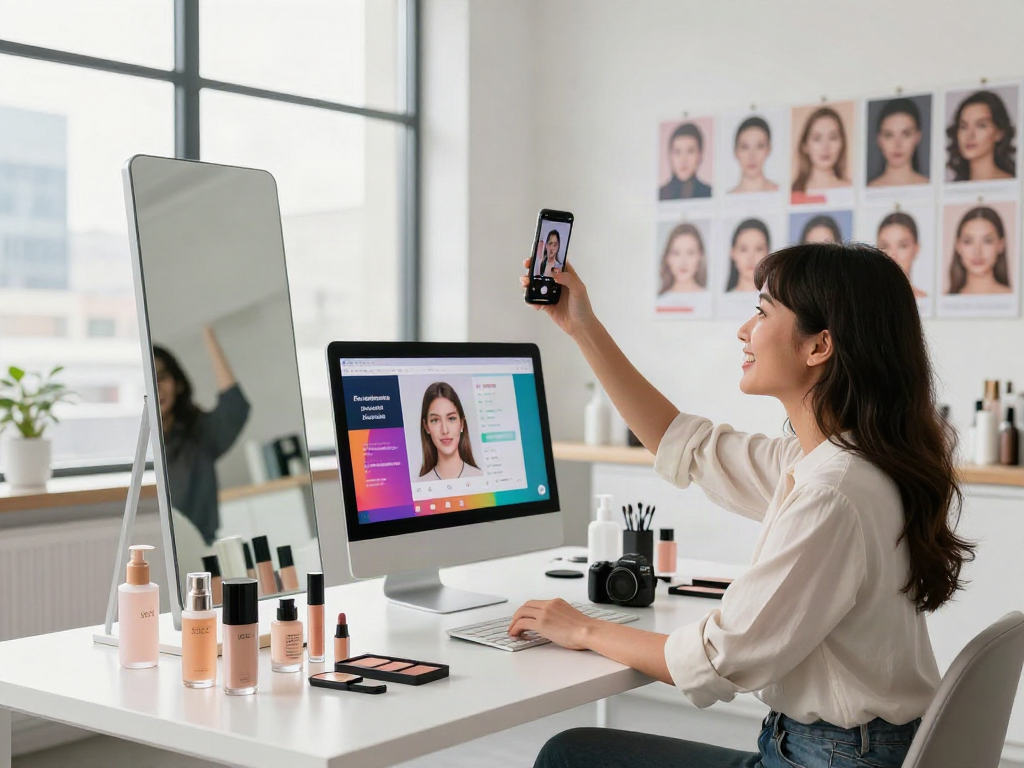
The quest for understanding one’s appearance is a universal phenomenon. Many individuals have pondered the question, "How old do I look?" This curiosity has spurred a rise in age estimation tools powered by artificial intelligence, allowing users to explore their perceived age based on facial features. The appeal of these tools lies not just in self-assessment, but also in their sociocultural implications and the engagement they foster. When exploring options, how old do i look applications provide comprehensive insights into this intriguing question.
What Is the "How Old Do I Look" Concept?
The "How Old Do I Look" concept encompasses a range of applications and services that allow users to submit images for analysis to receive feedback on their perceived age. This phenomenon reflects a broader societal obsession with youth and beauty, influenced by media, culture, and personal vanity. Such applications argue that they provide a fun and light-hearted way for people to engage with their appearance, albeit with a hint of seriousness as they delve into the science of aging.
The Rise of AI in Age Estimation
Advancements in artificial intelligence have dramatically changed the landscape of age estimation. AI systems utilize deep learning algorithms trained on vast datasets of facial images to evaluate and predict age. These systems analyze various features such as skin texture, wrinkles, and facial contours to generate an estimate. As AI technology progresses, these estimates become more refined, leading to increased accuracy in age determination.
Why People Use Age Estimation Tools
Users are drawn to age estimation tools for a multitude of reasons. Some may seek validation or reassurance about their appearance, while others might use these applications for entertainment. Social media influences also play a role, as sharing results can spark discussions and comparisons among peers. Additionally, these tools can serve as a catalyst for self-reflection regarding personal grooming and wellness practices.
How Age Estimation Works
Understanding the mechanics behind age estimation tools is crucial for appreciating their outcomes. By examining the underlying technology and methodology, users can gain insights into the accuracy and reliability of the results they receive.
AI Algorithms Behind Age Prediction
At the core of age estimation applications are sophisticated AI algorithms that leverage machine learning techniques. These algorithms are trained using extensive datasets of images categorized by age. They identify patterns associated with aging, including features like sagging skin and pigmentation changes. The better the dataset, the more accurate the algorithms become at predicting age.
Common Features Evaluated in Photos
When users upload a photo for analysis, several critical facial features are evaluated:
- Skin Texture: The smoothness or roughness of the skin can indicate age.
- Wrinkles: The presence and depth of wrinkles are significant indicators of aging.
- Facial Contours: Changes in the face's shape, including sagging areas, can affect perceived age.
- Coloration: Age-related changes in pigmentation may also be analyzed.
Potential for Accuracy: What to Expect
While advancements in AI have improved accuracy, it is essential to approach the results with caution. Factors such as lighting, image quality, and the subject's expression can impact the algorithms' predictions. Users should view results as an entertaining guide rather than an absolute truth.
Benefits of Using "How Old Do I Look" Applications
Beyond mere curiosity, "How Old Do I Look" applications offer several benefits that can enhance user experience and provide insights into personal appearance.
Engagement and Entertainment Value
One of the primary attractions of these applications is their engaging nature. Users enjoy testing these tools out with friends and family, fostering a playful atmosphere around self-image. Whether for a social media post or a casual night in, these applications provide light-hearted enjoyment.
Understanding Social Perceptions of Age
Age estimation tools can open discussions about societal standards of beauty and aging. By engaging with these tools, users may gain new perspectives on how age is perceived in different cultures and communities, prompting deeper conversations about age-related stereotypes.
Opportunity for Self-Reflection and Improvement
Using these applications can encourage individuals to take a closer look at their skincare and lifestyle choices. By understanding how certain features contribute to their perceived age, users may choose to adopt healthier habits or skincare routines to improve their overall appearance.
Challenges and Limitations
Despite their popularity, age estimation tools come with several challenges and limitations that users should be aware of before diving into their results.
Accuracy Concerns in Age Estimation
Accuracy is a critical concern in the realm of AI-based age estimation. While algorithms are improving, they are not foolproof. Variability in factors such as ethnic backgrounds, gender, and individual differences can skew results, leading to potential misinterpretations of one’s actual age.
Privacy Issues with Photo Uploading
Privacy is another significant concern for users of these applications. Submitting personal images raises questions about how data is used and whether it is stored securely. Users must remain vigilant and choose platforms that prioritize user privacy and data protection.
Common Misconceptions About Age Prediction
There are common misconceptions surrounding age estimation tools. Users often believe that these estimates are definitive, overlooking the nuanced nature of aging. Additionally, not all discrepancies in age perception are negative; some may be viewed positively in terms of youthful appearance.
Future Trends for Age Estimation Technologies
The field of age estimation is rapidly evolving, with several trends that could shape its future in the coming years.
Innovations in AI and Biometrics for Accuracy
As technology continues to advance, we can expect innovations that improve the accuracy of age estimation algorithms. Integrating biometric data, such as genetic factors or physiological markers, could lead to more personalized and accurate assessments.
The Role of User Engagement in Development
User engagement will play a crucial role in the development of age estimation tools. Continuous feedback from users can help developers refine algorithms and improve user interface experiences, ensuring that applications meet the needs and expectations of their audience.
Predictions for the Next 5 Years
Over the next five years, we may witness a surge in age estimation technologies integrated with social media platforms. This could lead to interactive features where users can engage with their audience through real-time analysis of their images, creating a unique social dynamic centered around age perception.
Is Age Estimation the Future of Social Media?
With the increasing popularity of self-image applications, age estimation could become a staple in the social media landscape. As users continue to seek validation and engagement through visual platforms, tools that allow for fun, interactive elements regarding age could influence how we perceive and discuss aging in the digital age.