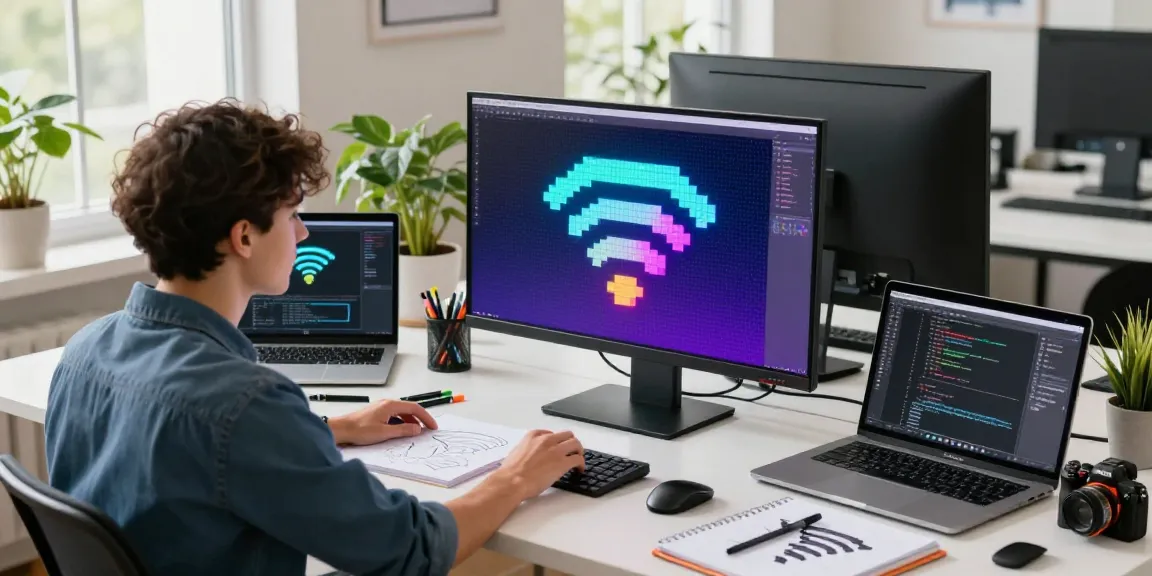
Understanding WiFi Pixel Displays
In the age of digital innovation, WiFi pixel displays have emerged as a captivating blend of art and technology. These displays not only serve as a medium for artistic expression but also as practical tools for communication and branding. The flexibility offered by WiFi connectivity allows users to easily control and customize their displays, making them an increasingly popular choice in various sectors. When exploring options, WiFi pixel display solutions like the Divoom Pixoo-64 stand out for their versatility and user-friendly features.
What is a WiFi Pixel Display?
A WiFi pixel display is a digital screen that utilizes a grid of pixels to display visual content, often in a pixelated art style. Typically, these displays connect to the internet via WiFi, enabling real-time updates and interactivity. The technology behind these displays has evolved significantly over recent years, making it possible to create dynamic visuals that can be easily modified through mobile apps or web interfaces.
Key Features and Benefits of Using WiFi Pixel Displays
WiFi pixel displays come with several key features that enhance their usability and appeal:
- Customizability: Users can create and upload their pixel art designs directly from their smartphones or computers.
- Remote Control: The integration with WiFi allows for actions such as scheduling content or changing designs without the need for physical access to the display.
- Interactive Elements: Many models support interactive features, allowing users to incorporate animations or even respond to external stimuli.
- Versatile Applications: These displays are suitable for homes, offices, art exhibitions, and marketing campaigns, showcasing their versatility.
Common Use Cases for Creative Industries
In the creative sector, WiFi pixel displays are revolutionizing how artists and marketers communicate their ideas. Common use cases include:
- Art Installations: Artists use pixel displays to create immersive environments that engage viewers.
- Branding: Companies utilize these displays for advertising campaigns, showcasing their logos or promotional content in visually striking ways.
- Event Signage: Events leverage pixel displays as dynamic signage, providing real-time updates, schedules, and other relevant information.
- Personal Projects: Hobbyists and artists create custom pixel art displays, allowing for personal expression and creativity.
Choosing the Right WiFi Pixel Display for Your Needs
Essential Factors to Consider When Selecting a Display
When selecting a WiFi pixel display, consider the following factors to ensure it meets your needs:
- Size: Determine the appropriate size based on where you plan to place the display and viewing distance.
- Resolution: Higher resolution displays yield more detailed images, which is crucial for intricate designs.
- Connectivity: Ensure that the display supports the WiFi protocols of your network for seamless connectivity.
- Compatibility: Check if the display is compatible with the devices or platforms you plan to use for creating and scheduling content.
- Battery Life: For portable displays, battery life is an important consideration.
Popular Brands and Models in 2026
As of 2026, several brands have established themselves as leaders in the WiFi pixel display market. Notable models include:
- Divoom Pixoo-64: Highly regarded for its customizable interface and vibrant colors.
- Adafruit NeoPixel: Known for its extensive community support and versatility in DIY projects.
- Grove Pixel Display: Aimed at developers, it offers extensive features for programming and custom projects.
Comparative Analysis of WiFi Pixel Displays
Comparing different WiFi pixel displays can guide buyers toward the best option. Key comparison criteria include:
- Pricing: Assess value for money based on features offered.
- Ease of Use: User-friendly interfaces tend to be more appealing for first-time users.
- Support and Community: A strong user community can be invaluable for troubleshooting and creative inspiration.
Designing with WiFi Pixel Displays
Tips for Creating Engaging Pixel Art
Creating compelling pixel art requires both creativity and technical understanding. Here are some tips:
- Start Simple: Begin with basic shapes and gradually add complexity.
- Use a Limited Palette: Limiting color choices can help create a cohesive design.
- Experiment with Animation: Adding movement can make your art more engaging.
- Seek Feedback: Sharing your designs for critique can foster improvement.
Integrating Pixel Displays Into Your Workspace
Integrating a WiFi pixel display into your workspace can enhance creativity. Consider the following:
- Inspirational Quotes: Use the display to cycle through motivational quotes that inspire productivity.
- Artistic Decoration: Showcase your pixel art creations as a form of decor.
- Live Updates: Set the display to show live updates, such as project timelines or news feeds relevant to your work.
Examples of Successful Pixel Art Projects
Several notable projects highlight the potential of WiFi pixel displays:
- Public Art Installations: Artists have used large pixel displays in urban settings to create interactive experiences for passersby.
- Corporate Branding: Companies have utilized pixel displays at trade shows to create eye-catching presentations that draw attendees.
- Charity Events: Events have employed pixel art displays to highlight fundraising goals visually, motivating attendees to contribute.
Networking and Connection Options for WiFi Pixel Displays
Setting Up Your WiFi Pixel Display: A Step-by-Step Guide
Setting up your WiFi pixel display can be straightforward if you follow these steps:
- Unbox and Assemble: Carefully unpack your display and follow the manufacturer’s assembly instructions.
- Connect to Power: Plug the display into a power source and turn it on.
- Download the App: Install the manufacturer’s app on your smartphone or tablet.
- Connect to WiFi: Follow the app instructions to connect the display to your WiFi network.
- Create Content: Use the app to upload your designs and manage the display settings.
Understanding Connectivity Requirements and Limitations
While WiFi pixel displays offer many benefits, it’s essential to understand their connectivity needs:
- Network Requirements: A stable WiFi connection is necessary for optimal performance.
- Device Compatibility: Ensure your smartphone or tablet is compatible with the display for seamless operation.
- Firmware Updates: Regularly check for software updates from the manufacturer to ensure continued support and new features.
Maintaining a Strong WiFi Connection for Optimal Performance
To keep your WiFi pixel display functioning efficiently, consider these tips:
- Router Placement: Position your router within close range of the display to minimize interference.
- Network Congestion: Limit the number of devices connected to your network during peak usage times.
- Regular Reboots: Rebooting the display and router can help clear connectivity issues.
Future Trends in WiFi Pixel Displays
Emerging Technologies and Innovations in 2026
As technology progresses, WiFi pixel displays are poised for exciting developments:
- Enhanced Interactivity: Future models may incorporate advanced sensors for more engaging user interactions.
- AI-Driven Content Creation: Artificial intelligence could facilitate automatic art generation based on user preferences.
- Integration with Smart Home Systems: Seamless integration with smart home devices could enable more innovative uses of pixel displays.
Predictions for the Next Generation of Displays
Looking ahead, the next generation of WiFi pixel displays could feature:
- Higher Resolutions: Expect displays with even more pixels, allowing for finer detail.
- Flexible Screens: Innovations may lead to flexible displays that can be shaped to fit various environments.
- Augmented Reality Compatibility: Future displays might incorporate AR features, providing an immersive viewing experience.
How WiFi Pixel Displays Will Evolve in Creative Industries
As the creative industries continue to embrace technology, WiFi pixel displays will likely play an increasingly vital role:
- Collaboration and Connectivity: Enhanced networking capabilities will allow for remote collaboration on pixel art projects.
- Increased Accessibility: With more user-friendly tools, pixel art creation will become accessible to a wider audience.
- Broader Applications: Expect to see these displays utilized in education, entertainment, and even mental health initiatives.
What are the benefits of using WiFi pixel displays?
The benefits of using WiFi pixel displays are vast. They offer customization, remote control, and versatility in applications, making them suitable for both personal and professional use. Additionally, the ability to easily update content ensures that displays remain relevant and engaging over time.
How do I maintain my WiFi pixel display for longevity?
To maintain your WiFi pixel display, regularly clean the screen, update the firmware, and ensure that it remains in a stable environment free from extreme temperatures and humidity.
What are the best practices for creating pixel art on a display?
Best practices for creating pixel art include starting with a limited color palette, focusing on simple shapes before adding complexities, and seeking feedback from peers to refine your work.
Can I use WiFi pixel displays for business presentations?
Yes, WiFi pixel displays can be effectively used for business presentations, offering a creative way to showcase information and engage audiences through visually appealing graphics.
What types of projects are best suited for WiFi pixel displays?
WiFi pixel displays are ideal for artistic projects, event signage, advertising campaigns, and personal expression through custom pixel art. Their versatility allows for various creative applications across multiple industries.