Understanding TradingView: The Basics
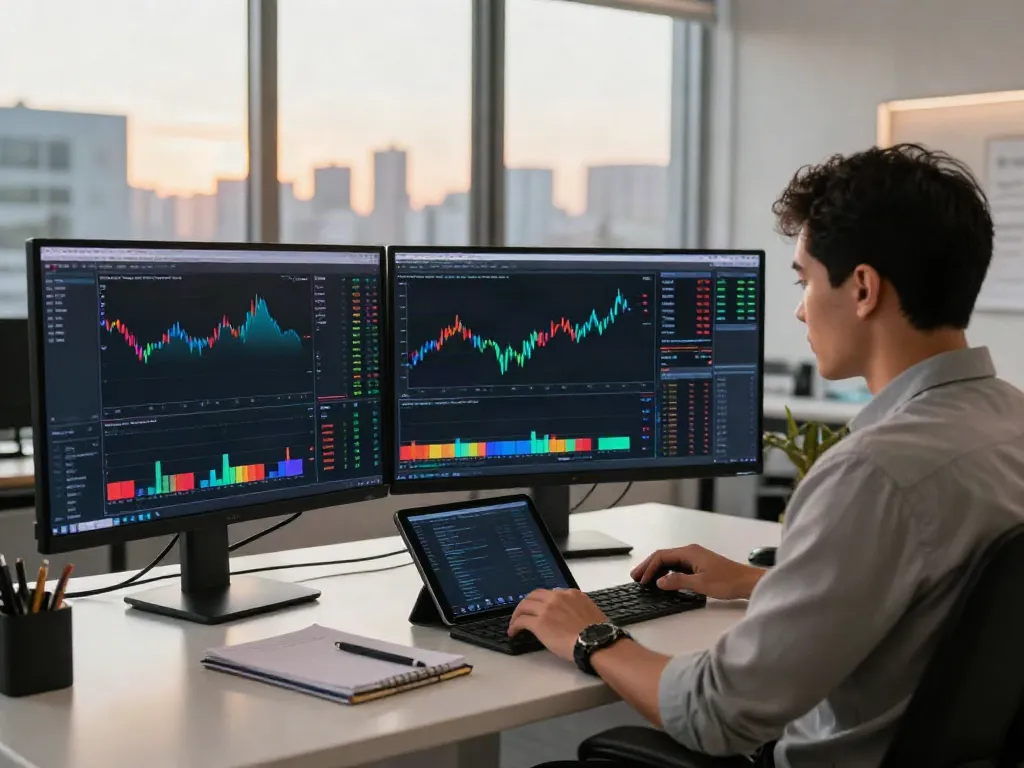
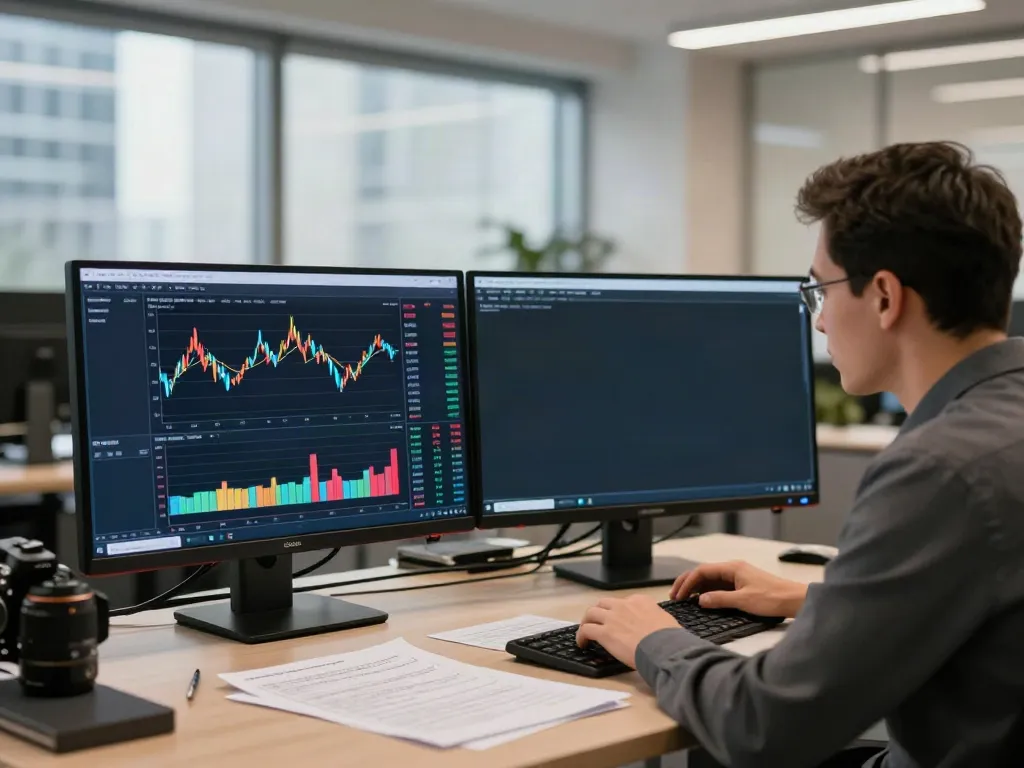
TradingView has emerged as a leading platform for traders and investors worldwide, offering a unique blend of powerful charting tools and a vibrant community for sharing insights. Whether you are a beginner looking to understand the fundamentals or a seasoned trader honing your skills, tradingview provides comprehensive tools and resources to facilitate your trading journey.
What is TradingView?
Founded in 2011, TradingView serves as a financial analysis platform where users can create and share trading ideas, analyze market data, and track price movements. With an intuitive interface, it caters to both novice traders and experienced professionals seeking to enhance their trading strategies. TradingView's cloud-based architecture allows users to access their charts and analysis from any device, making it a highly flexible tool for today's fast-paced trading environments.
The Key Features of TradingView
TradingView offers a plethora of features designed to enhance user experience and improve trading outcomes. Some of the standout features include:
- Advanced Charting: Multiple chart types, custom timeframes, and the ability to overlay different indicators provide traders with powerful tools to analyze price actions.
- Social Networking: Users can share ideas, strategies, and analyses with a global community, fostering collaboration and collective learning.
- Custom Alerts: Setting alerts based on specific price action or technical indicators allows traders to react swiftly to market changes.
- Comprehensive Market Data: Access to a wide range of financial instruments, including stocks, forex, and cryptocurrencies, ensures traders can diversify and explore various markets.
- Scripting Language: Pine Script allows users to create their custom indicators and strategies, providing endless possibilities for automation.
Getting Started with Account Setup
Setting up a TradingView account is quick and user-friendly. Users can choose between a free account with limited features or one of the premium accounts that provide additional tools and functionalities. The sign-up process requires an email address and a secure password, after which users can personalize their profiles and start charting. Exploring the platform’s features through the tutorial section is recommended for newcomers, as it offers valuable insights into how to maximize its capabilities.
Common TradingView Mistakes to Avoid
Overreliance on Indicators
While indicators can enhance trading strategies, reliance on too many indicators can lead to analysis paralysis. Traders should focus on a handful of reliable indicators and understand the underlying market context instead.
Ignoring Community Insights
The TradingView community is a treasure trove of information. Ignoring forum discussions and chart analyses shared by other users can lead to missed opportunities. Engaging with fellow traders can provide diverse perspectives and innovative strategies.
Misunderstanding Chart Patterns
Chart patterns can signal potential market movements; however, misinterpreting them can result in costly mistakes. Taking the time to study various patterns and their historical performance can aid in making informed trading decisions.
Best Practices for Effective Trading with TradingView
Utilizing Custom Alerts
Custom alerts can be set for price levels, technical indicators, or specific chart patterns. This ensures that traders do not miss crucial market movements while managing their time effectively. Alerts can notify traders via email or SMS, allowing them to act promptly.
Improving Analysis with Integrations
Integrating TradingView with other platforms, such as brokerage accounts, can streamline the trading process. This allows traders to execute trades directly from their charts, enhancing efficiency and minimizing the gap between analysis and execution.
Building a Personal Watchlist
A well-curated watchlist helps traders to focus on their preferred assets. By monitoring specific stocks, commodities, or cryptocurrencies, traders can better track price movements and relevant news, leading to more informed trading decisions.
Real-World Examples: TradingView Success Stories
Case Study: Maximizing Gains with Candlestick Patterns
Several traders have successfully utilized candlestick patterns to make significant gains. For instance, recognizing a bullish engulfing pattern on the daily chart allowed a trader to anticipate a price rally, leading to a profitable long position.
Community Strategies: Trade Ideas from Experts
TradingView’s community platform features experts sharing their strategies based on extensive research and experience. These trade ideas, often accompanied by comprehensive analyses, provide a learning avenue for users looking to enhance their trading knowledge.
How Professionals Use TradingView
Many professional traders leverage TradingView not just for charting but also for backtesting their trading strategies using Pine Script. This capability allows them to refine their approaches based on historical data before implementing them in live markets.
Future Trends in Trading and Technology for 2026
Integrating AI and Machine Learning
The future of trading platforms is increasingly leaning towards the integration of artificial intelligence and machine learning. These technologies can analyze vast amounts of data, identify trends, and even suggest trades based on user preferences.
Future Charting Tools in TradingView
As technology evolves, we can expect TradingView to implement advanced charting tools that use predictive analytics. Such tools can provide traders with insights not just based on historical data but also real-time sentiment analysis from multiple sources.
Predictions for Trading Platforms
2026 is poised to bring more user-friendly features and improved mobile capabilities across trading platforms. As more traders seek to manage their portfolios on-the-go, platforms like TradingView will need to adapt to this evolving demand.
What is the TradingView Community Saying?
Feedback from TradingView users highlights the importance of community engagement and the diverse strategies that emerge from collaborative discussions. The community continues to grow, fostering a rich environment for knowledge sharing.
How to Maximize Your TradingView Experience?
Maximizing the TradingView experience involves exploring its full range of features, engaging with the community, and continuously educating oneself about market trends and trading strategies. Frequent participation in discussions and a proactive approach in utilizing the platform’s tools can significantly enhance trading performance.
What are the Best Strategies for Beginners?
Beginners should focus on establishing a solid foundational knowledge of technical analysis, market trends, and risk management. Starting with small investments and gradually increasing exposure as confidence grows is a prudent strategy.
How can you Utilize TradingView in Day Trading?
Day traders can effectively use TradingView to monitor short-term price movements and execute trades within the same day. Setting up custom alerts for specific price points or breakout levels can provide day traders with the agility they need to take advantage of fleeting opportunities.
What Indicators Work Best on TradingView?
Popular indicators among TradingView users include Moving Averages, Relative Strength Index (RSI), and MACD. Each of these can provide different insights crucial for making informed trading decisions, with some traders even customizing them to fit their unique trading styles.
Can You Use TradingView for Crypto Trading?
Absolutely! TradingView includes robust tools for analyzing cryptocurrencies, allowing traders to assess market trends and volatility just like in traditional markets. The platform’s wide array of cryptocurrency charts and community insights make it an invaluable resource for crypto traders.