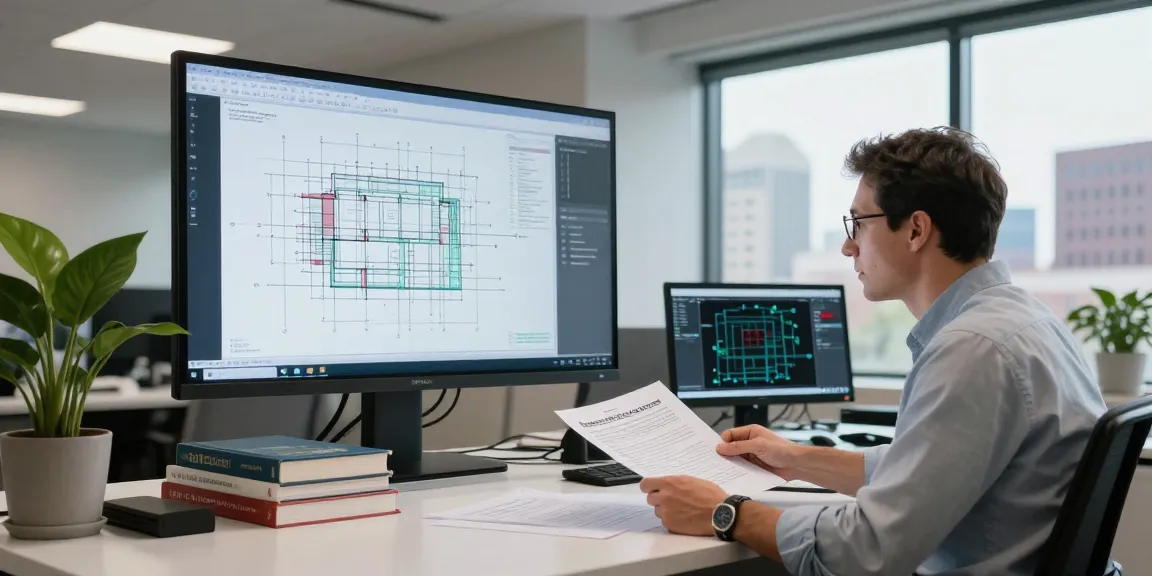
Understanding Structural Integrity Assessments in Missouri
In the field of engineering, ensuring the durability and safety of structures is paramount. A structural integrity assessment missouri evaluates a structure’s ability to withstand various loads and conditions. The assessment process involves detailed inspections, analyses, and expert judgments to affirm that buildings are not only aesthetically pleasing but also safe for occupancy. Whether you’re a homeowner, contractor, or legal professional, understanding these assessments can help you make informed decisions regarding construction and renovation projects.
What is a Structural Integrity Assessment?
A structural integrity assessment is a systematic evaluation of a building’s ability to support the loads placed upon it. This assessment includes a comprehensive review of the building’s design, materials, and overall condition. Typically, structural engineers conduct these assessments to determine whether a structure meets the required safety and performance standards. The evaluation involves inspecting critical components such as foundations, beams, columns, and walls for signs of distress or deterioration.
Importance of Assessments for Buildings and Structures
Structural integrity assessments play a crucial role in identifying potential safety hazards before they escalate into severe issues. Early detection of problems such as cracks, deformities, or material fatigue can prevent costly repairs and ensure the safety of occupants. Moreover, these assessments are often mandated by local building codes and regulations, emphasizing their importance in maintaining compliance within the community.
Legal Requirements and Professional Standards in Missouri
In Missouri, engineering practices are governed by strict legal and professional standards that ensure public safety. Licensed professional engineers are required to adhere to these regulations when conducting structural assessments. Failure to comply with these requirements can lead to legal repercussions, including liability for any resulting structural failures. Familiarity with local regulations can also provide insight into the types of assessments needed for varying projects and situations.
Key Components of a Structural Integrity Assessment
Evaluation Processes and Methodologies Used
The evaluation process for structural integrity assessments typically follows a set methodology that includes visual inspections, load testing, and advanced analytical techniques. Engineers often use a combination of non-destructive testing methods, such as ultrasonic or radiographic testing, to assess the condition of structural components without causing further damage. Additionally, computational modeling may be employed to simulate various stress scenarios, helping to predict a structure’s performance under different conditions.
Tools and Technologies for Accurate Assessments
Advancements in technology have significantly enhanced the accuracy of structural integrity assessments. Engineers now rely on a variety of tools, including laser scanners, drones, and sophisticated software for data analysis and reporting. These technologies allow for more precise measurements and provide a detailed understanding of a structure’s condition, making it easier to identify areas needing repair or reinforcement.
Common Structural Issues Addressed in Assessments
Structural integrity assessments frequently address several common issues, including:
- Cracks and fissures: Inspectors look for signs of material fatigue that could signal serious underlying problems.
- Foundation settling: Uneven settling can lead to significant structural issues, making its assessment critical.
- Corrosion: Corrosion of metal components can compromise a building’s structural integrity.
- Water damage: Moisture intrusion can lead to mold growth and material decay.
Choosing the Right Engineer for Your Assessment
Qualifications and Experience to Look For
When selecting a structural engineer for your integrity assessment, it’s essential to review their qualifications and experience. Look for a licensed professional engineer (PE) with a strong background in structural engineering and a proven track record in conducting assessments similar to yours. Their understanding of local building codes and regulations is also crucial.
Questions to Ask Potential Engineers
Before hiring a structural engineer, consider asking the following questions to gauge their expertise:
- What certifications do you hold related to structural engineering?
- Can you provide references from past clients?
- What is your approach to conducting structural assessments?
- How do you ensure compliance with local regulations?
Understanding Fees and Service Scope
Cost is an important factor when hiring a structural engineer. Fees can vary widely based on the complexity of the assessment and the engineer’s experience. It’s advisable to request a detailed quote that outlines the scope of services provided. Ensure you understand what is included in the assessment process and any additional fees that may arise from unforeseen issues discovered during the evaluation.
Common Challenges in Structural Integrity Assessments
Addressing Misconceptions About Assessments
Many people believe that structural integrity assessments are only necessary for older buildings or those that show clear signs of distress. However, maintaining structural integrity is a proactive measure that can be beneficial for any property, new or old. Regular assessments can prevent unexpected issues and costly repairs in the future.
Navigating Site-Specific Challenges in Missouri
Missouri’s diverse landscape can present unique challenges during structural assessments. Factors such as soil composition, weather conditions, and local wildlife can influence a building’s structural integrity. Engineers must be aware of these site-specific factors and how they affect the evaluation process to provide accurate assessments.
Timelines: What to Expect During the Assessment
The timeline for a structural integrity assessment can vary depending on the structure’s complexity and the engineer’s workload. Typically, a standard assessment may take anywhere from a few days to a couple of weeks. It’s crucial to discuss timelines with your engineer, as this will help manage expectations and plan accordingly.
Future of Structural Integrity Assessments in Missouri
Emerging Trends and Technologies in 2026
As we move into 2026, emerging trends in the field of structural engineering suggest a shift towards increased automation and artificial intelligence in assessments. These advancements promise not only faster evaluations but also improved accuracy in diagnosing structural issues. Drones and robotic technologies are likely to become integral to the assessment process, reducing the need for manual inspections in hard-to-reach areas.
Impact of Sustainability and Green Building Practices
Another trend influencing structural integrity assessments is the emphasis on sustainability and green building practices. As more architects and builders adopt environmentally-friendly methodologies, assessments will increasingly consider the performance of sustainable materials and techniques. Engineers will need to be well-versed in these new materials to ensure compliance with both structural integrity and environmental considerations.
The Role of Policy Changes in Engineering Assessments
Policy changes at the local and state levels can significantly impact how structural integrity assessments are conducted. Familiarity with ongoing legislative discussions surrounding building codes and standards in Missouri is essential for engineers to stay current and provide clients with accurate advice concerning compliance and safety.
What is the average cost of a structural integrity assessment?
The average cost of a structural integrity assessment varies depending on the property type and complexity of the evaluation. Homeowners can expect to pay between $300 and $1,200 for a standard residential assessment. However, larger commercial properties could incur significantly higher costs depending on the scope required.
How often should I get a structural integrity assessment?
It’s advisable to conduct a structural integrity assessment at least every 5 to 10 years for most buildings. However, if you notice signs of distress or if the building has undergone significant alterations, scheduling an assessment sooner may be beneficial.
What issues can lead to structural failures?
Several issues can contribute to structural failures, including poor design, inadequate materials, excessive loads, and environmental conditions. Regular assessments can help identify and mitigate these risks before they lead to catastrophic failures.
Can I perform a structural assessment myself?
While homeowners can conduct basic visual inspections, it is highly recommended to hire a licensed structural engineer for a comprehensive assessment. Professionals have the training and expertise needed to identify underlying issues that may not be visible to the untrained eye.
What qualifications should my engineer have?
Your structural engineer should hold a valid license to practice in Missouri, have extensive experience in structural evaluations, and ideally possess certifications relevant to your specific project needs. Always verify their credentials and past work before engaging their services.