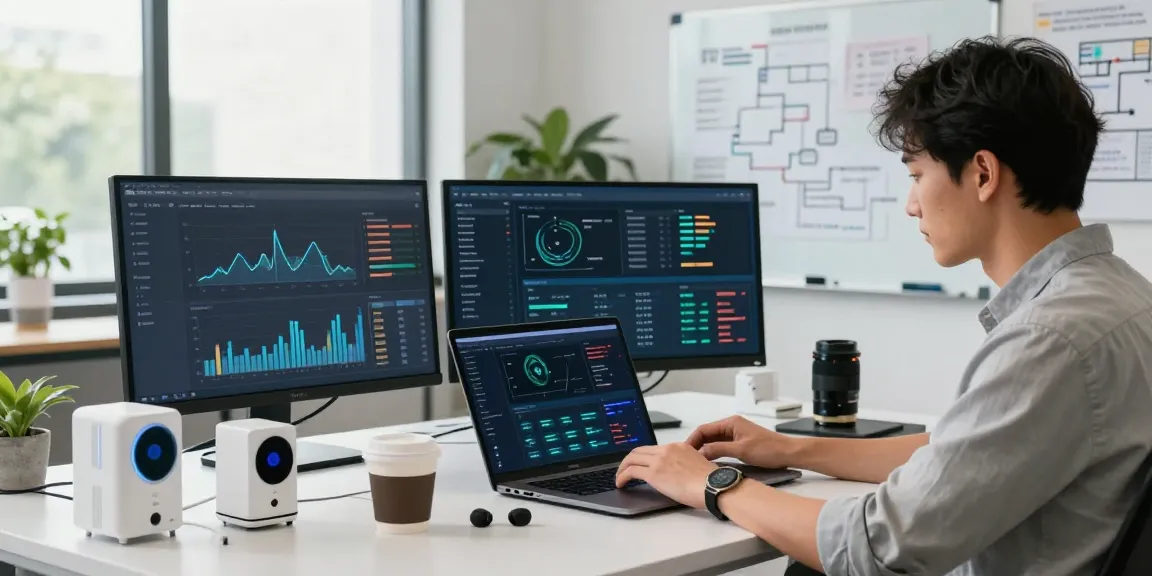
Understanding the Basics of IoT Data
The Internet of Things (IoT) has revolutionized how we interact with technology, allowing devices to communicate with each other and share data seamlessly. At the heart of this transformation lies IoT data, which is generated from interconnected devices, sensors, and systems. Understanding What is IoT data is crucial for businesses aiming to harness its full potential. By leveraging this data, organizations can optimize operations, enhance customer experiences, and drive innovation across multiple sectors.
What is IoT Data?
IoT data is any information generated by devices that are connected to the internet. This can include a diverse range of data types, from simple sensor readings to complex multimedia files. The data is typically transmitted to a central system for analysis, where valuable insights are extracted to inform decision-making. IoT data can be categorized into structured, semi-structured, and unstructured formats, each serving different analytics and operational needs.
The Importance of IoT Data in Today’s World
The significance of IoT data cannot be overstated, as it underpins the functioning of myriad applications across industries. In sectors like healthcare, smart cities, and industrial manufacturing, real-time data collection and analysis enable better decision-making, improving efficiency and reducing costs. As businesses continue to embrace digital transformation, understanding and utilizing IoT data effectively will be essential for staying competitive.
Key Components of IoT Data Systems
An effective IoT data system comprises several key components that work together to gather, process, and analyze data:
- Devices and Sensors: These are the physical components that collect data from the environment.
- Connectivity: Various communication protocols, such as Wi-Fi, Bluetooth, and cellular networks, facilitate the transfer of data between devices and the cloud.
- Data Management: This includes storage, processing, and analysis technologies that help in managing large volumes of IoT data efficiently.
- Analytics and Insights: Advanced analytics tools turn raw data into actionable insights, enabling organizations to make informed decisions.
Common Challenges with IoT Data Management
Data Quality and Consistency Issues
One of the primary challenges of managing IoT data is ensuring data quality and consistency. Given the vast amounts of data generated from various devices, maintaining accuracy can be difficult. Inconsistent data can lead to incorrect analyses and misguided decisions, which can severely impact business outcomes.
Security Risks Associated with IoT Data
The proliferation of IoT devices also raises significant security concerns. Each connected device represents a potential entry point for cyberattacks, and as more devices are integrated into networks, the complexity of securing these devices increases. Organizations must implement stringent security protocols to protect sensitive IoT data from breaches and unauthorized access.
Integration Challenges with Existing Systems
Integrating IoT data systems with existing IT infrastructure can be problematic. Many organizations struggle with legacy systems that are not designed to handle modern IoT applications. This can create data silos and hinder the seamless flow of information across departments, affecting overall efficiency.
Best Practices for Effectively Managing IoT Data
Implementing Real-Time Data Analytics
To fully capitalize on the potential of IoT data, organizations need to adopt real-time analytics capabilities. By processing data as it is generated, businesses can respond quickly to changing conditions, leading to improved operational efficiency and enhanced customer experiences.
Ensuring Data Security and Compliance
Establishing robust security measures is essential for protecting IoT data. This includes implementing encryption, access controls, and regular security audits. Additionally, organizations must ensure compliance with regulations such as GDPR or HIPAA, which mandate strict guidelines for data protection.
Utilizing Automation to Enhance Efficiency
Automation can significantly streamline the management of IoT data. By automating data collection, processing, and analysis, organizations can reduce human error and free up valuable resources for strategic initiatives. This leads to more efficient operations and better allocation of personnel.
Future Trends in IoT Data for 2026 and Beyond
Emerging Technologies Impacting IoT Data
As we move towards 2026, several emerging technologies are expected to significantly impact IoT data management. Technologies like 5G will facilitate faster data transmission, enabling more devices to connect simultaneously and exchange information in real-time. Moreover, advancements in blockchain technology may provide enhanced security and data integrity for IoT networks.
Predictions for Data Management Innovations
Looking ahead, innovations in cloud computing and edge computing are set to redefine how IoT data is managed. Edge computing allows data processing to occur closer to the source, reducing latency and bandwidth costs while improving efficiency. This shift will enable more effective monitoring and control of IoT ecosystems.
How AI will Transform IoT Data Analysis
Artificial Intelligence (AI) is anticipated to revolutionize the analysis of IoT data by automating complex data interpretation tasks. AI models can identify patterns and predict outcomes based on historical data, making real-time decision-making more efficient. As AI technology matures, it will become an integral part of IoT data management strategies.
Practical Applications of IoT Data in Various Industries
IoT Data in Healthcare: Improving Patient Outcomes
In healthcare, IoT data is used for remote monitoring of patients, enabling healthcare providers to track vital signs and health metrics in real-time. This not only enhances patient care but also helps in early diagnosis and intervention, leading to improved health outcomes.
Smart Cities: Enhancing Urban Life with IoT Data
Smart city initiatives are leveraging IoT data to optimize public services like waste management, traffic control, and energy consumption. By analyzing data from various sensors, city planners can make informed decisions that enhance the quality of life for residents while reducing operational costs.
Industrial IoT: Optimizing Manufacturing Processes
In industrial settings, IoT data is critical for optimizing manufacturing processes. Companies can use data analytics to monitor equipment performance, predict maintenance needs, and minimize downtime. This leads to significant cost savings and increased operational efficiency.
What are the main applications of IoT data?
IoT data has countless applications across industries, including predictive maintenance in manufacturing, smart energy management, real-time supply chain monitoring, and enhanced customer experiences in retail. The breadth of its application illustrates the transformative power of IoT data in modern business practices.
How can businesses leverage IoT data for success?
Businesses can leverage IoT data to drive innovation, enhance efficiency, and improve customer satisfaction. By integrating IoT data into their operations, companies can make data-driven decisions that lead to competitive advantages in their respective markets.
What are the security risks related to IoT data?
Security risks associated with IoT data include data breaches, unauthorized access, and malware attacks. Organizations must stay vigilant and proactively implement comprehensive security measures to protect sensitive information and maintain customer trust.
How does AI enhance the analysis of IoT data?
AI enhances the analysis of IoT data by automating data processing and extracting meaningful insights more rapidly than traditional methods. AI algorithms can learn from data patterns, enabling predictive analytics that helps organizations anticipate trends and respond effectively.
What future trends should we expect in IoT data management?
Future trends in IoT data management may include greater emphasis on data privacy, integration of advanced AI technologies, and increased reliance on decentralized systems like blockchain for data integrity and security. Organizations will need to adapt to these shifts to remain competitive.