
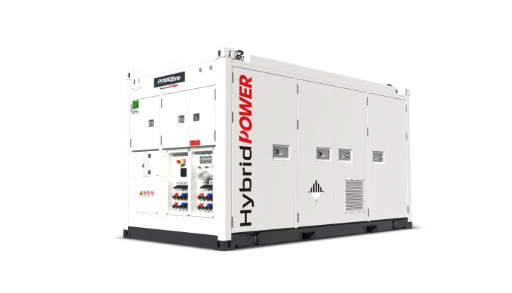
As businesses and industries face growing energy demands, efficient power management has become more important than ever. Organizations today require reliable energy systems that can support continuous operations while helping control costs and improve overall efficiency. At the same time, the increasing use of renewable energy sources is creating new challenges for maintaining a stable and dependable power supply.
Energy storage technology has emerged as a key solution for addressing these challenges. By storing electricity and making it available when needed, energy storage systems help businesses optimize energy usage and strengthen modern gas generator strategies.
The Growing Need for Advanced Energy Management
Traditional power systems are designed to generate electricity as demand occurs. However, energy consumption often fluctuates throughout the day, creating periods of high demand and excess production. These variations can affect efficiency and place additional pressure on energy infrastructure.
Energy storage systems help bridge the gap between energy production and consumption. By capturing excess electricity and delivering it when demand increases, these technologies improve overall system performance and provide greater flexibility for businesses. As industries continue to modernize, energy storage is becoming an essential component of effective power management.
Benefits of Energy Storage Systems
Modern energy storage technologies provide several advantages for commercial and industrial operations.
Improved Energy Reliability
Stored electricity can be used during peak demand periods or unexpected interruptions, helping maintain continuous operations.
Enhanced Energy Efficiency
Energy storage allows organizations to make better use of available resources by reducing waste and optimizing consumption patterns.
Greater Operational Flexibility
Businesses can better manage changing energy requirements by utilizing stored power when it is needed most.
Support for Sustainable Energy Goals
Energy storage systems help organizations integrate renewable energy technologies while improving overall system stability.
Energy storage solutions are commonly used in:
• Manufacturing facilities
• Commercial buildings
• Data centers
• Telecommunications infrastructure
• Renewable energy projects
• Remote industrial sites
These applications demonstrate the growing importance of energy storage in modern Power Generation environments.
Choosing the Right Energy Storage Strategy
Selecting an energy storage solution requires careful evaluation of energy demand, storage capacity, operational objectives, and future growth plans. Organizations should consider how storage technology can complement existing infrastructure while supporting long-term efficiency goals.
For businesses exploring advanced energy management solutions, Power Generation offers battery storage technologies designed for a variety of industrial and commercial applications. In many cases, these systems can also work alongside a gas generator to create a more flexible and resilient energy infrastructure.
Conclusion
As energy requirements continue to evolve, energy storage is becoming a critical part of modern power management. Its ability to improve reliability, optimize energy usage, and support renewable energy integration makes it an increasingly valuable investment for businesses across multiple industries.
Whether combined with renewable resources, hybrid systems, or a gas generator, energy storage technologies strengthen modern Power Generation strategies. As organizations continue to seek more efficient and dependable energy solutions, energy storage will remain a key driver of future energy innovation.