Understanding Ceiling Speakers: A Comprehensive Overview
As the trend towards integrated home audio systems continues to rise, understanding the role of ceiling speakers becomes essential for achieving a superior sound experience. اسپیکر سقفی offer a unique solution to those looking to conserve space while maintaining high-quality audio. In this guide, we will delve deep into what ceiling speakers are, their benefits, and common misconceptions that may cloud your judgment when choosing the right audio solution for your home.
What are Ceiling Speakers and How Do They Work?
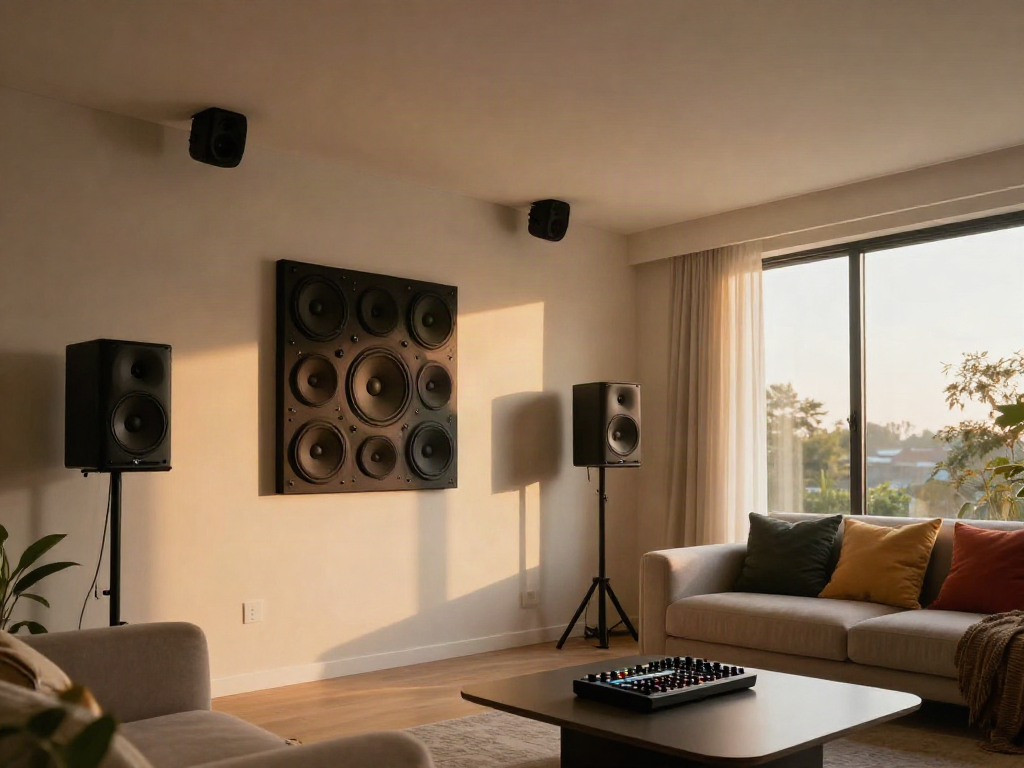
Ceiling speakers are designed to be mounted flush against the ceiling, providing an unobtrusive alternative to conventional speakers. Typically, these speakers consist of a woofer and a tweeter integrated into a single unit that is installed in the ceiling, allowing sound to emanate directly from above. They work by converting electrical audio signals into sound waves, which are then projected throughout the room.
Ceiling speakers can be powered in several ways, including direct connection to an A/V receiver, through a powered amplifier, or as part of a multi-room audio system connected via Wi-Fi or Bluetooth. Their design allows for even sound distribution, making them particularly effective for larger areas where conventional speakers may create uneven audio experiences.
Benefits of Using اسپیکر سقفی in Your Home
- Space-Saving: Mounted in the ceiling, these speakers save valuable floor space and eliminate the need for bulky audio equipment.
- Improved Aesthetics: Ceiling speakers blend seamlessly into the room's decor, providing a clean look without sacrificing sound quality.
- Versatile Sound Distribution: They can provide excellent surround sound effects, making them suitable for both music and home theater setups.
- Less Clutter: With fewer visible wires and equipment, your living space can maintain a minimalist aesthetic.
Common Misconceptions About Ceiling Speakers
Many homeowners harbor misconceptions about ceiling speakers that can hinder their audio choices. A prevalent myth is that ceiling-mounted speakers do not produce high-fidelity sound; however, advances in technology have made it possible for these speakers to deliver excellent audio. Another common misunderstanding is that installation is overly complicated, when in fact, many ceiling speakers are designed for easy installation, even for DIY enthusiasts.
Choosing the Right اسپیکر سقفی for Your Space
Factors to Consider When Selecting Ceiling Speakers
Choosing the right ceiling speakers involves considering several factors: the size of the room, the desired sound quality, and your budget. Larger rooms may require more powerful speakers or multiple units to achieve optimal sound distribution. Additionally, the acoustics of your space can affect speaker performance, necessitating a careful selection process to ensure the best audio experience.
Comparing Different Types of Ceiling Speakers
There are various types of ceiling speakers available on the market, including:
- Passive Speakers: These require an external amplifier and typically offer superior sound quality.
- Active Speakers: Built-in amplifiers make these easier to set up, but they may not deliver the same audio fidelity as passive designs.
- In-Ceiling vs. On-Ceiling: In-ceiling speakers are installed flush with the ceiling, while on-ceiling models sit atop the surface, which affects both aesthetics and sound projection.
- Weather-Resistant Options: For outdoor installations, weather-resistant ceiling speakers are crucial for durability and consistent performance.
Installation Tips for Optimal Sound Quality
The placement of your ceiling speakers is critical for achieving the best sound quality. Ideally, they should be positioned above the listening area and spaced evenly to create a balanced sound field. Avoid placing them too close to walls to prevent sound reflections that can muddy audio clarity. Proper installation also includes ensuring the speakers are securely mounted to prevent rattling or vibration during use.
Installation Process: Step-by-Step Guide
Tools and Materials Needed for Installation
Before starting the installation of your ceiling speakers, gather the necessary tools, which typically include a stud finder, drywall saw, drill, and speaker wire. Additionally, ensure you have the appropriate materials such as speaker brackets and connectors to ensure a secure setup.
How to Properly Mount Your اسپیکر سقفی
Begin by deciding on the optimal locations for your speakers. Use a stud finder to locate ceiling joists and mark them. Cut holes for the speakers according to the manufacturer's guidelines, ensuring they fit snugly without forcing the speaker into place. Connect the speaker wires, making sure not to confuse the polarity.
Testing Sound Quality and Adjustments
Once installed, it’s essential to test the sound quality. Play a variety of audio sources and adjust the balance and equalization settings on your audio receiver to suit your preferences. It may also be helpful to adjust the placement of the speakers slightly if the audio is not as clear as expected.
Integrating اسپیکر سقفی with Your Home Audio System
Connecting Ceiling Speakers to Your AV Receiver
To achieve the best audio integration, connect your ceiling speakers to your AV receiver according to the specific wiring instructions provided with your speaker system. Ensuring proper connections can enhance sound quality and minimize issues such as distortion or feedback.
Setting Up a Multi-Room Audio System
Ceiling speakers are a perfect option for creating a multi-room audio system, allowing you to enjoy music or sound from your home theater throughout the house. This setup typically involves using a central controller that links to multiple speaker zones, providing individual control over sound in different areas of your home.
Utilizing Smart Home Technology with Ceiling Speakers
Today’s ceiling speakers can also integrate seamlessly with smart home technologies, enabling voice control and compatibility with smart assistants. This feature allows you to control audio playback and volume levels without needing a remote or physical interface.
The Future of Home Audio Systems (2026 and Beyond)
Emerging Trends in Ceiling Speaker Technology
By 2026, we expect to see significant advancements in ceiling speaker technology. Innovations may include enhanced wireless capabilities, enabling easier integration with various smart devices, and improved sound quality through advanced materials and designs.
Best Practices for Future-Proofing Your Audio System
To future-proof your audio system, consider investing in modular systems that allow for easy upgrades and expansions. Opting for speakers that support the latest audio formats and technologies will also ensure your setup remains relevant as new standards emerge.
Insights from Industry Experts on Home Audio Evolution
Experts predict that the evolution of home audio systems will focus on personalized sound experiences, leveraging AI and machine learning to adapt audio settings automatically based on user preferences and room acoustics. The integration of immersive audio formats will likely continue to grow, enhancing the overall listening experience.
What types of music are best suited for ceiling speakers?
Ceiling speakers perform exceptionally well with a variety of genres, but they are particularly effective for ambient music, classical, and soft rock, where sound clarity and detail enhance the listening experience. Additionally, for home theaters, they are excellent for providing sound effects in movies.
Can I install ceiling speakers myself?
Yes, many homeowners choose to install ceiling speakers themselves. With the right tools and guidance, the installation process can be straightforward. However, if you're unsure about electrical work, consulting a professional can ensure a safe installation.
What’s the average cost of ceiling speaker installation?
The cost of installing ceiling speakers can vary greatly depending on the complexity of the system and labor costs in your area, but you can typically expect to pay between $100 and $300 per speaker for professional installation.
How do ceiling speakers compare to traditional speakers?
Ceiling speakers provide a sleek, integrated look and can distribute sound evenly across larger spaces, whereas traditional speakers often provide more powerful sound but can take up more space and create clutter. The choice ultimately depends on your specific audio needs and aesthetic preferences.
What maintenance do ceiling speakers require?
Ceiling speakers require minimal maintenance; however, it is advisable to check them periodically for any signs of wear or damage. Dusting the speaker grilles and ensuring that the wiring is secure can help maintain performance and longevity.