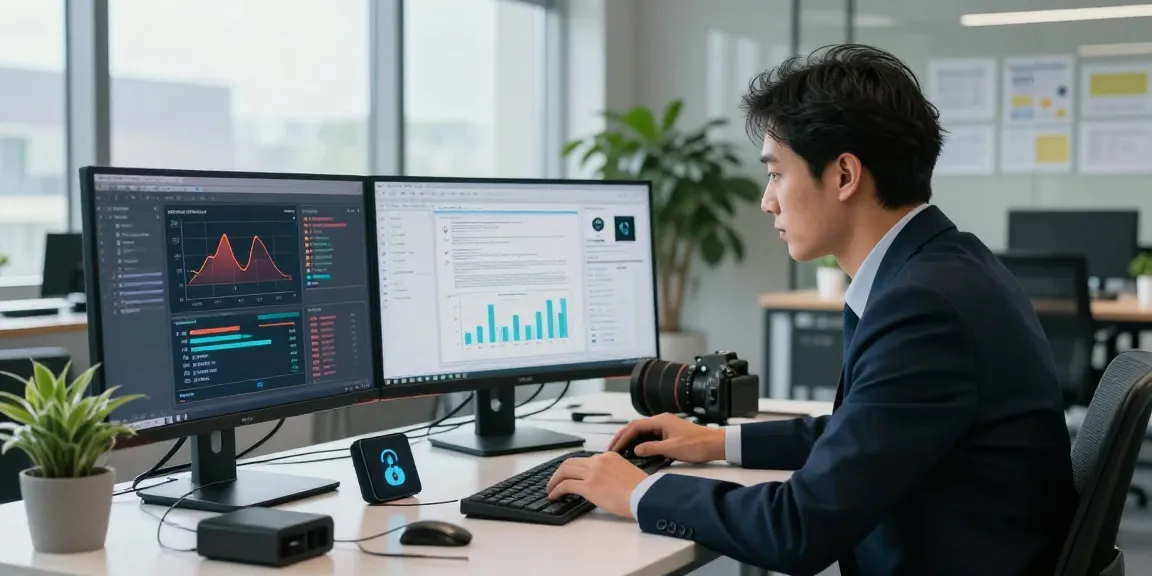
Understanding the Importance of Collaboration in Business
In today's fast-paced business environment, effective collaboration is vital for success. Companies that embrace collaboration not only foster a more engaged workforce but also drive innovation and improve overall performance. With the advent of remote work and digital tools, collaboration has transformed, enabling teams to connect across geographical boundaries. Organizations looking to thrive must focus on developing a collaborative culture. For instance, the insights available at https://koperasisantun.com/ can serve as a valuable starting point for teams eager to enhance their collaborative efforts.
What Defines Effective Team Collaboration?
Effective team collaboration encompasses a variety of components that contribute to a seamless workflow. First and foremost, it involves open communication among team members, where ideas can be exchanged freely. Additionally, roles must be clearly defined so that everyone understands their contributions to the project. A culture that encourages diverse viewpoints and integrates feedback fosters creativity and leads to more nuanced solutions. Effective collaboration also includes leveraging available technologies to enhance interactions, whether through shared documents or collaborative platforms.
Common Challenges Teams Face in Collaboration
Despite its importance, many teams encounter challenges that hinder collaboration. Some common obstacles include lack of trust among team members, miscommunication, and differing priorities. These issues can lead to frustration and decreased productivity. Moreover, teams may struggle with technological barriers, particularly in remote settings, where familiarity with tools can vary significantly among team members. Addressing these challenges involves proactive measures such as team-building activities and ongoing training in collaboration tools.
The Impact of Collaboration on Business Outcomes
The benefits of effective collaboration extend far beyond the immediate team dynamics. Companies that prioritize collaboration often see enhanced productivity, innovation, and employee satisfaction. Collaboration enables teams to solve complex problems more effectively and accelerates the decision-making process. Furthermore, firms that invest in collaborative practices tend to experience increased employee retention rates, as workers feel more invested in their work and valued for their input. The cumulative effect of these advantages can significantly elevate a company's performance in the competitive landscape.
Building a Collaborative Culture Within Your Organization
Creating a collaborative culture is essential for sustaining long-term success. Organizations can nurture an environment where collaboration flourishes by implementing specific strategies and practices that resonate with team members. Such a culture not only attracts talent but also enhances employee engagement and innovation.
Key Elements of a Collaborative Workplace Environment
A collaborative workplace is characterized by several key elements. Open office layouts, communal spaces for brainstorming, and accessible resources can physically promote collaboration. Additionally, leadership plays a crucial role in modeling collaborative behavior, setting the tone for how employees interact. Recognition of collaborative efforts, whether through rewards or public acknowledgment, serves to reinforce the value placed on teamwork.
Strategies for Encouraging Open Communication
Effective communication is the bedrock of collaboration. Organizations can encourage open communication by implementing regular check-ins, feedback sessions, and leveraging digital communication tools to facilitate dialogue. Training employees in active listening and conflict resolution skills can further enhance communication dynamics. Ensuring that all team members feel comfortable sharing ideas and concerns is essential for maintaining a collaborative atmosphere.
Establishing Trust and Respect Among Team Members
Trust is fundamental to collaboration; without it, team members may hesitate to share ideas or take risks. Leaders should foster a climate of psychological safety, where employees feel safe to express their thoughts without fear of retribution. Team-building exercises and transparent decision-making processes can help build this trust. A culture that values respect and inclusivity will naturally encourage stronger collaboration, leading to better business outcomes.
Tools and Technologies to Enhance Team Collaboration
In the modern workspace, tools and technologies play a critical role in facilitating collaboration among teams. By utilizing the right digital platforms, organizations can streamline processes and bolster team interactions, regardless of their physical locations.
Cloud-Based Solutions for Project Management
Cloud-based project management tools like Asana, Trello, and Monday.com allow teams to manage tasks and collaborate in real time. These platforms enhance transparency within teams, making it easy for members to track progress and deadlines. Furthermore, cloud solutions reduce the likelihood of version control issues that can arise when multiple people work on documents simultaneously.
Effective Communication Platforms for Remote Teams
Communication platforms such as Slack, Microsoft Teams, and Zoom have become staples for remote teams. These tools facilitate instant messaging, video conferencing, and file sharing, making remote collaboration seamless. Establishing guidelines for their use can maximize their effectiveness, ensuring that communication remains purposeful and focused.
Integrating Collaboration Software to Streamline Workflows
To enhance collaboration, organizations should consider integrating various software applications. This includes project management tools with communication platforms or document sharing services. By creating a unified system, teams can avoid the confusion that comes from juggling multiple tools, thereby improving overall productivity.
Measuring the Success of Collaborative Efforts
It is crucial for organizations to assess the effectiveness of their collaborative initiatives. By implementing measurement mechanisms, teams can identify strengths and areas for improvement in their collaborative processes.
Key Performance Indicators for Collaboration
Implementing key performance indicators (KPIs) specific to collaboration can provide valuable insights into team dynamics. Metrics such as project completion rates, employee engagement scores, and feedback from team members can highlight how well collaboration is functioning within the organization. Regularly reviewing these KPIs ensures teams can adapt and enhance their collaborative strategies.
Assessing Team Dynamics and Performance
Team assessments can help organizations gauge the effectiveness of their collaboration strategies. Surveys and performance reviews can uncover underlying issues, such as communication breakdowns or interpersonal conflicts. These assessments can serve as a starting point for targeted interventions aimed at enhancing team dynamics.
Feedback Mechanisms for Continuous Improvement
Establishing feedback mechanisms allows organizations to promote a culture of continuous improvement. Regular feedback loops can provide insights into what is working and what is not, enabling teams to remain agile in their collaboration practices. Using anonymous feedback forms can encourage honest assessments and ensure all team members feel their opinions are valued.
Future Trends in Team Collaboration for 2026 and Beyond
As the landscape of business evolves, so too do the trends in team collaboration. Staying informed about these trends will help organizations adapt and thrive in the changing environment.
The Role of Artificial Intelligence in Collaboration
Artificial Intelligence (AI) is poised to revolutionize collaboration by automating tasks and enhancing decision-making processes. AI tools can analyze patterns in team interactions, offering insights into areas of improvement. Furthermore, AI-driven platforms can provide personalized recommendations for collaboration, tailoring interactions to meet the unique needs of teams.
Remote Work and Its Influence on Team Dynamics
The shift toward remote work is likely to persist beyond 2026, fundamentally changing team dynamics. Teams will need to adapt their collaborative strategies to suit this environment, focusing on building connections and fostering relationships in virtual spaces. This may include more frequent virtual team-building activities and leveraging advanced technologies to simulate in-person interactions.
Emerging Technologies Shaping Collaborative Workspaces
Emerging technologies such as Virtual Reality (VR) and Augmented Reality (AR) are set to redefine collaborative workspaces. These technologies will provide immersive experiences that can enhance virtual meetings and brainstorming sessions. Organizations that invest in these innovations will gain a competitive edge by creating engaging and interactive collaborative environments.
What are the benefits of a collaborative work environment?
Collaboration leads to increased innovation, higher employee engagement, and better problem-solving capabilities. Teams that collaborate effectively can leverage diverse perspectives, leading to more effective solutions.
How can organizations encourage teamwork among employees?
Organizations can encourage teamwork by fostering open communication, establishing clear goals, and recognizing collaborative efforts. Team-building activities and training can also create stronger bonds among employees.
What technology tools are essential for effective collaboration?
Essential tools include project management software, communication platforms, and shared document storage solutions that facilitate real-time collaboration across teams.
How do you measure the success of collaboration in a team?
Success can be measured through KPIs such as project completion rates, feedback from team members, and overall team engagement levels.
What future trends should businesses be aware of for team collaboration?
Businesses should focus on AI enhancements, evolving remote work dynamics, and emerging technologies like VR and AR, which are set to alter the future of collaboration.