Understanding Servis Bazenske Tehnike
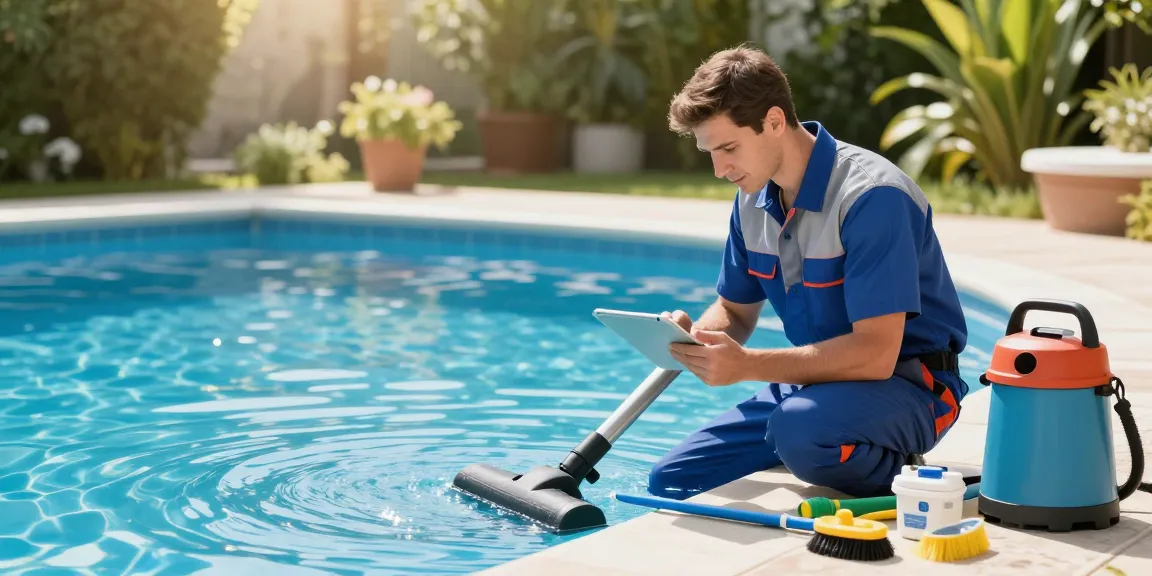
Pool equipment servicing, or servis bazenske tehnike, is a critical aspect of maintaining the longevity and functionality of your swimming pool. Just as regular maintenance is vital for your vehicle to ensure optimal performance and safety, so too is it essential for your pool equipment to undergo routine service and care. This article delves into the intricacies of pool equipment servicing and highlights its importance for both your swimming pool’s lifespan and your overall swimming experience.
What is Pool Equipment Servicing?
Pool equipment servicing refers to the systematic maintenance and repair of various components that keep your swimming pool running smoothly. This includes checking and adjusting filtration systems, pumps, heaters, and other essential equipment. The aim is not only to fix existing problems but also to prevent potential issues that could lead to costly repairs or unsafe swimming conditions.
Importance of Regular Maintenance
Regular maintenance is crucial for ensuring that all pool equipment operates efficiently and effectively. Neglecting service can lead to equipment failure, which can be both hazardous and expensive. An overwhelmed filtration system, for example, can lead to poor water quality, which can pose health risks to swimmers.
Moreover, regular servicing can extend the lifespan of your pool equipment. A little investment in routine maintenance can save you significant costs in the long run by preventing major repairs or replacements.
Common Pool Equipment and Their Functions
Understanding your pool equipment is essential for effective maintenance. Some of the most common types of pool equipment include:
- Pumps: Circulate water through the filtration system, ensuring clean and clear water.
- Filters: Remove dirt, debris, and contaminants from the water, playing a crucial role in maintaining water quality.
- Heaters: Help maintain comfortable water temperatures, extending your swimming season.
- Salt Chlorinators: Convert salt into chlorine to sanitize the water effectively.
- Automated Cleaners: Assist in maintaining a clean pool surface and floor by removing debris automatically.
Key Benefits of Professional Pool Maintenance
Engaging professional services for your pool maintenance provides numerous benefits, which can significantly enhance your swimming experience.
Enhanced Water Quality and Safety
One of the primary advantages of professional pool maintenance is the assurance of high water quality. Professionals have the expertise to monitor and balance chemical levels, ensuring that the water remains safe for swimming. They can detect and resolve issues, such as imbalanced pH levels and the presence of harmful bacteria, which might go unnoticed during casual inspections.
Cost Efficiency and Long-Term Savings
While some pool owners may view regular maintenance as an added expense, it is, in fact, a cost-saving investment. By identifying and addressing issues early, service professionals can help you avoid expensive repairs, replacements, and potential legal liabilities associated with pool accidents due to neglect.
Expert Care and Performance Optimization
Professional maintenance not only ensures optimal equipment performance but also enhances the overall swimming experience. Experts are trained to identify inefficiencies in your pool system and can optimize settings to improve energy efficiency, ultimately saving you money on utility bills over time.
Best Practices for Pool Equipment Care
To maintain a well-functioning pool system, it is vital to implement best practices for equipment care.
Routine Maintenance Checklists
Creating a maintenance checklist can be an effective way to ensure all equipment is regularly serviced. This checklist should include:
- Checking and cleaning pool filters.
- Inspecting pumps for leaks or unusual noises.
- Testing and adjusting chemical levels.
- Clearing debris from skimmers and inlets.
- Monitoring water levels and adding water as needed.
Seasonal Preparation and Care
Each season brings unique challenges for pool maintenance. Before the winter season, proper preparation is crucial to protect your pool from freezing temperatures. This may involve:
- Lowering the water level.
- Adding winterizing chemicals.
- Covering the pool securely.
Similarly, before the summer season, it’s essential to prepare your pool for use by checking equipment functionality and water quality.
Addressing Common Pool Problems
Common issues that pool owners may encounter include cloudy water, algae growth, and equipment breakdowns. These problems often stem from inadequate maintenance practices. Addressing these issues promptly can prevent more severe complications, such as costly chemical treatments or extensive repairs.
Future Trends in Pool Servicing
The pool maintenance industry is evolving, and staying abreast of the latest trends is essential for pool owners looking to optimize their service experience.
Emerging Technologies in Pool Maintenance
With advancements in technology, pool maintenance is becoming more efficient and effective. Innovations such as automated pool systems, IoT-enabled devices, and AI-driven analytics are making it easier to monitor pool health and performance.
Eco-Friendly Practices in Pool Care
As environmental concerns grow, so does the demand for eco-friendly pool maintenance practices. Using non-toxic chemicals, energy-efficient pumps, and solar heating systems can reduce your pool’s carbon footprint while still providing a safe and enjoyable swimming environment.
Data-Driven Approaches to Pool Management
Harnessing data analytics allows for a more precise understanding of pool conditions and usage patterns. This data can help tailor maintenance schedules and optimize chemical treatments, fostering a healthier swimming environment.
Choosing the Right Pool Service Provider
Finding a reliable pool service provider is crucial for maintaining your pool effectively. As the saying goes, “you get what you pay for,” which underscores the importance of selecting a reputable company.
What to Look for in a Servicing Company
When evaluating potential servicing companies, consider the following:
- Experience and expertise in the industry.
- Customer reviews and testimonials.
- The range of services offered.
- Certifications and insurance.
Questions to Ask Before Hiring
Engaging with potential service providers can help clarify service expectations. Key questions to ask include:
- What is included in your service packages?
- Do you offer emergency services?
- What are your pricing structures and cancelation policies?
Understanding Service Packages and Pricing
Different companies may offer various service packages. Understanding what is included in each package can help you choose the right option for your needs. Compare features and prices to ensure you receive the best value for your money.
What Makes Torkret Plus Stand Out?
At Torkret Plus, we offer a comprehensive approach to pool maintenance that sets us apart in the industry. Our services are tailored to meet the unique needs of each client, ensuring optimal performance and safety. With our commitment to quality and innovation, we are the preferred choice for pool servicing in the region.
Testimonials and Case Studies
Reading testimonials and case studies from other clients can provide insight into the experiences of others with your potential service provider. This feedback is invaluable in assessing reliability and service quality.
FAQs About Pool Maintenance and Servicing
How Frequently Should I Service My Pool?
Most pools should undergo professional servicing at least once a month, particularly during peak swimming seasons. However, factors such as pool usage, climate, and local conditions may require more frequent visits.
What Are the Signs of Equipment Failure?
Indicators of equipment failure include unusual noises, leaks, inefficient filtration, and changes in water clarity. If you observe these signs, it’s important to contact a professional immediately.
Can I Maintain My Pool Myself?
While some maintenance tasks can be performed by homeowners, professional servicing is recommended to ensure comprehensive care and address complex issues effectively.
What Should I Include in My Maintenance Log?
Maintaining a log should include date and details of services performed, chemical balances, water levels, and any issues encountered. This documentation can aid in tracking patterns and planning future services.
What Are the Benefits of Chemical Balancing?
Proper chemical balancing is essential for ensuring safe swimming conditions and preventing damage to pool surfaces and equipment. It helps maintain water clarity, reduces algae growth, and minimizes skin irritations.