The Significance of Social Grooming in Cats
Cats exhibit a fascinating array of behaviors that often perplex their owners, but one of the most intriguing is their tendency to lick and groom each other. This behavior, known as allogrooming, plays a vital role in the social dynamics of feline relationships. Understanding why cats groom each other can provide insights into their emotional and physical well-being, and it sheds light on their interactions within a multi-cat household. Whether your cats are littermates, friends, or even rivals, their grooming habits reflect their social bonds and individual hierarchies. When exploring options, why cats groom each other offers comprehensive insights into these behaviors and their implications.
Understanding Allogrooming: What It Means
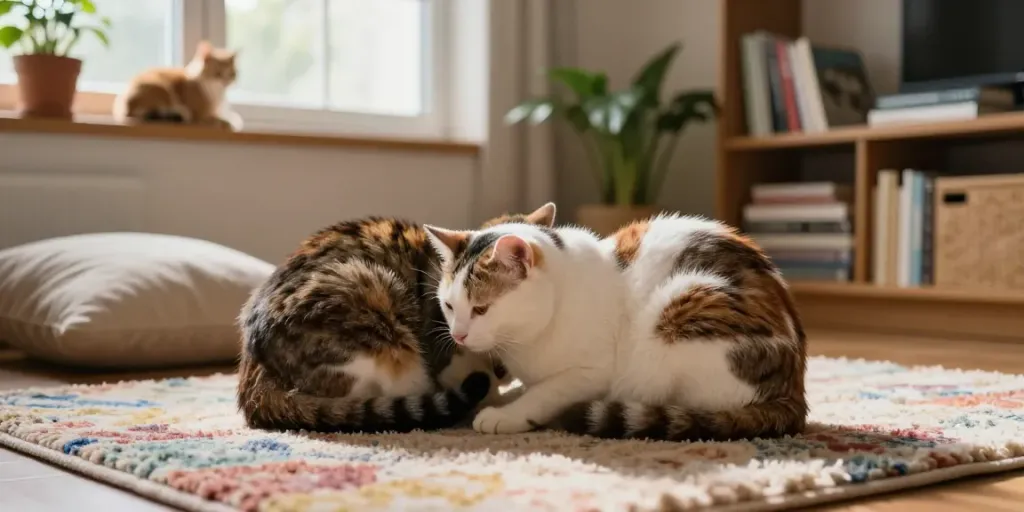
Allogrooming is the act of one cat grooming another, serving multiple functions that go beyond mere cleanliness. It is an important social behavior that can reinforce bonds and establish hierarchies within a group of cats. The act can signify affection and trust, demonstrating that the cats in question feel comfortable enough to engage in such intimate actions. Cats have scent glands in various parts of their bodies, particularly in their mouths and cheeks. When they groom each other, they mix their scents, which can create a sense of group identity and belonging. This is particularly useful in multi-cat households, where scent mixing can help to reduce territorial disputes and promote harmony.
Why Cats Groom Each Other: Social Connections
Grooming is not solely about hygiene; it is a significant behavior that emphasizes a cat's social standing and relationships within a social structure. Many cats will groom others as a routine practice, which can signify their comfort in each other's presence. This behavior is especially common among bonded cats, such as siblings or those that have been together for a long time. When they engage in allogrooming, it helps to solidify their social ties, making their relationships more robust and stable.
The Importance of Grooming in Feline Relationships
Grooming serves as a calming mechanism and a form of emotional support. Cats are creatures of habit, and the familiar act of grooming can reduce stress, particularly after a disruption in their routine. By grooming each other, they provide comfort, reaffirming their connection and promoting a sense of security. This behavior can be particularly beneficial for young kittens as they learn social cues and develop their identities within a group. Grooming behaviors that are routinely practiced can help establish a sense of order and reduce competition among cats.
Common Reasons Why Cats Groom Each Other
Bonding and Affection: Signs of Friendship
One of the most well-recognized reasons for cats grooming each other is to express bonding and affection. When a cat licks another cat gently and continues to do so over time, it can indicate a strong friendship. Grooming can serve as a form of social interaction that helps to cultivate a strong emotional bond, allowing the cats to develop trust and camaraderie. This mutual grooming can often lead to peaceful cohabitation, reducing tension in households with multiple cats.
Practical Reasons: Hard-to-Reach Areas
Cats are known for their grooming habits, but some areas, like the back of the head and neck, are difficult for them to clean on their own. When one cat grooms another, it can also serve a practical purpose by ensuring that all areas are kept clean. This behavior not only helps maintain hygiene but also fosters a cooperative atmosphere among cats, as they take turns aiding each other in their grooming efforts.
Establishing Social Hierarchy: Dominance Factors
While grooming can be a sign of affection and bonding, it can also reflect social hierarchies within a group of cats. Sometimes, a higher-ranking cat may groom a lower-ranking cat as a way to establish dominance, or vice versa, which might indicate submission or tolerance. Understanding these dynamics is crucial for pet owners, as recognizing the signs of dominance or submission during grooming can help alleviate potential conflicts. Watch for body language to discern the context of the grooming behavior accurately.
Spotting Healthy Grooming vs. Stress Behaviors
Indicators of Healthy Social Grooming
Healthy grooming behaviors between cats look relaxed and unforced. Indicators of positive social grooming can include:
- Soft body posture
- Purring or gentle meowing
- Slow movements and relaxed tail positioning
- Taking turns grooming each other
- Grooming followed by resting together
Recognizing Unwelcome Grooming Patterns
Unwelcome grooming can become a problem when it turns into excessive licking or when one cat appears stressed or uncomfortable during the process. Signs that the grooming may be problematic include:
- Attempts to escape the interaction
- Freezing in place or showing defensive body language
- Swatting or hissing at the groomer
- Repeatedly licking the same area of the other cat, causing irritation
When Grooming Turns to Fighting: Understanding the Dynamics
Occasionally, grooming can turn into rough play or even fighting. This often happens when one cat gets overstimulated or frustrated and reacts aggressively. Understanding these dynamics is vital for cat owners, as it can help to differentiate between normal play and serious conflict. Watch for transitions from relaxed grooming to sudden bursts of energy or aggression, as well as any signs of fear or distress in either cat.
Managing Multiple Cats and Grooming Behavior
Creating a Calm Environment for Cats
In multi-cat households, maintaining a peaceful environment can significantly impact grooming behaviors. Ensuring that each cat has its own space, resources, and safe havens can reduce competition and territorial disputes. Implementing vertical spaces, such as cat trees and shelves, can provide cats with options to escape if they feel overwhelmed. Additionally, providing multiple litter boxes, feeding areas, and resting spots can help alleviate stress, contributing to more harmonious relationships.
Techniques to Encourage Positive Grooming
Encouraging positive grooming behavior among cats can take some creativity. Owners can facilitate bonding by:
- Engaging in play sessions that involve both cats
- Offering treats during and after grooming sessions
- Creating a routine that includes scheduled bonding times
Signs That May Indicate Conflict Between Cats
Monitoring the behavior of cats is essential for recognizing potential conflicts. Signs that may indicate distress during grooming can include:
- Raised fur or puffed-up tails
- Frequent vocalizations or yowling
- Chasing or stalking behavior following grooming
- Excessive hiding or avoidance after interactions
Debunking Myths About Cat Grooming
Myths vs. Facts: The Truth Behind Affection
Many misconceptions surround the grooming behaviors of cats. One common myth is that all grooming is a sign of affection. While it often is, there are several instances where it signifies other dynamics, such as dominance or stress. Understanding these nuances can help cat owners foster more meaningful relationships with their pets.
Understanding Grooming and Dominance Dynamics
Another prevalent myth is that the cat doing the grooming is always in a dominant position. While this can be true in some instances, grooming can also be a sign of submission or social reassurance. The context of the grooming interaction is paramount, and recognizing the broader patterns of behavior between the two cats will lead to clearer insights.
Common Misconceptions About Grooming Frequency
It is often believed that cats who do not groom each other do not have strong bonds. In reality, many cats express their affection and social connectivity in other ways, such as resting together or following each other around the house. Grooming is just one aspect of a multi-faceted relationship.
Why Do Cats Groom Each Other?
The simple answer is that grooming serves multiple purposes: it reinforces social bonds, fosters comfort and security, and aids in hygiene. Understanding why cats engage in this behavior can lead to deeper insights into their emotional lives and enrich the experience of living with multiple felines.
Are My Cats Bonded If They Groom Each Other?
While grooming is often a sign of a bond, it is not the sole indicator. Cats can exhibit strong social bonds through various behaviors, such as sharing space, playing, and resting together. Grooming is an important part of their interaction but should not be viewed in isolation.
What Does It Mean When Boy Cats Groom Each Other?
Male cats may also engage in grooming behaviors as a form of social bonding, regardless of their gender. Just like female cats, male cats can form strong ties with one another that are demonstrated through grooming, playing, and spending time together.